




Kalvė
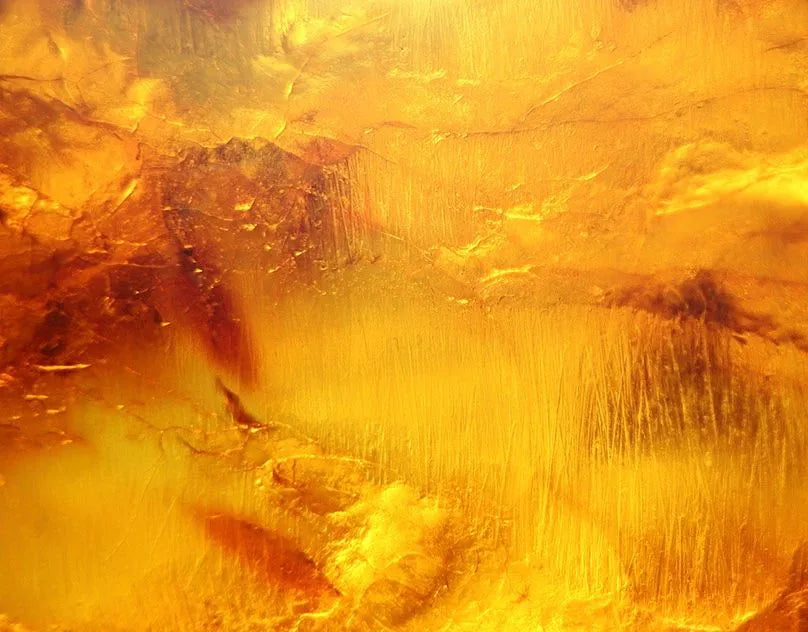
Baltic amber
For centuries, Baltic cultures attributed various properties to amber — from protective qualities to calming effects.
These beliefs shaped how amber was worn and traded across Europe.
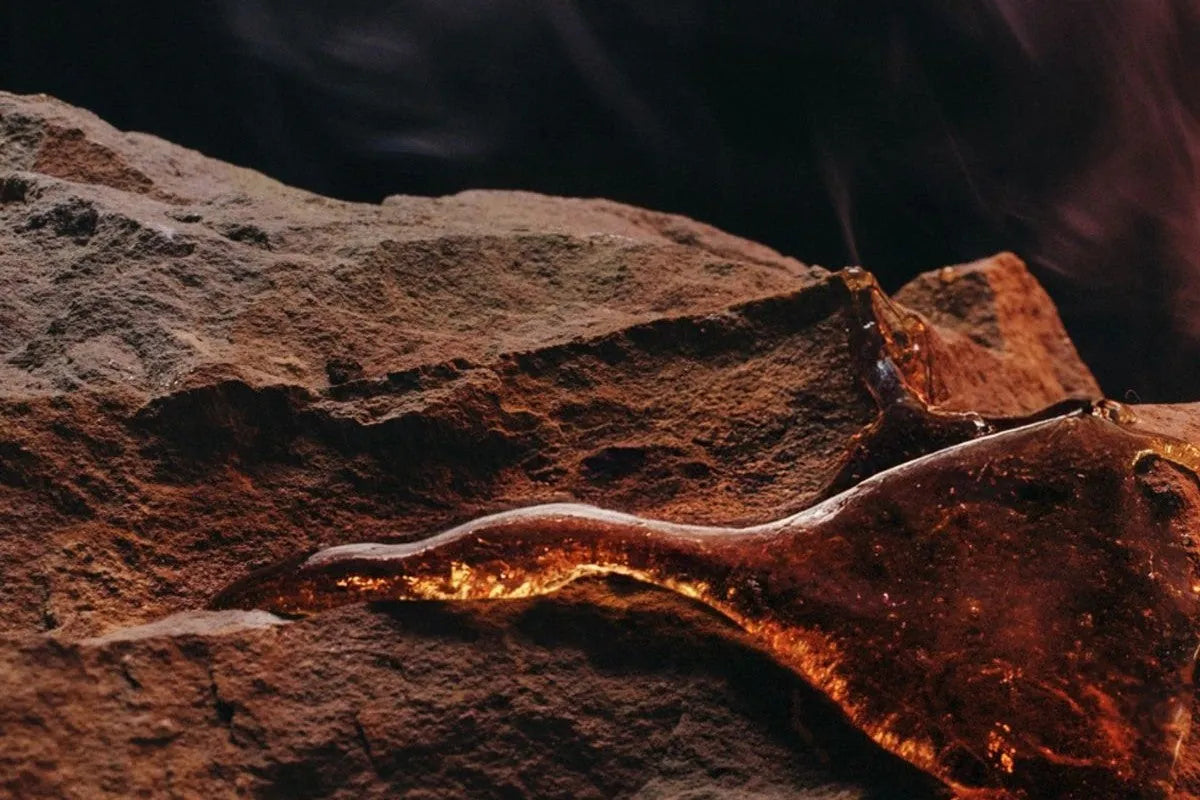
40 million years ago
Resin drops from ancient Baltic pine forests.
Over millions of years, pressure and heat transformed resin into amber — light, warm, and entirely natural.
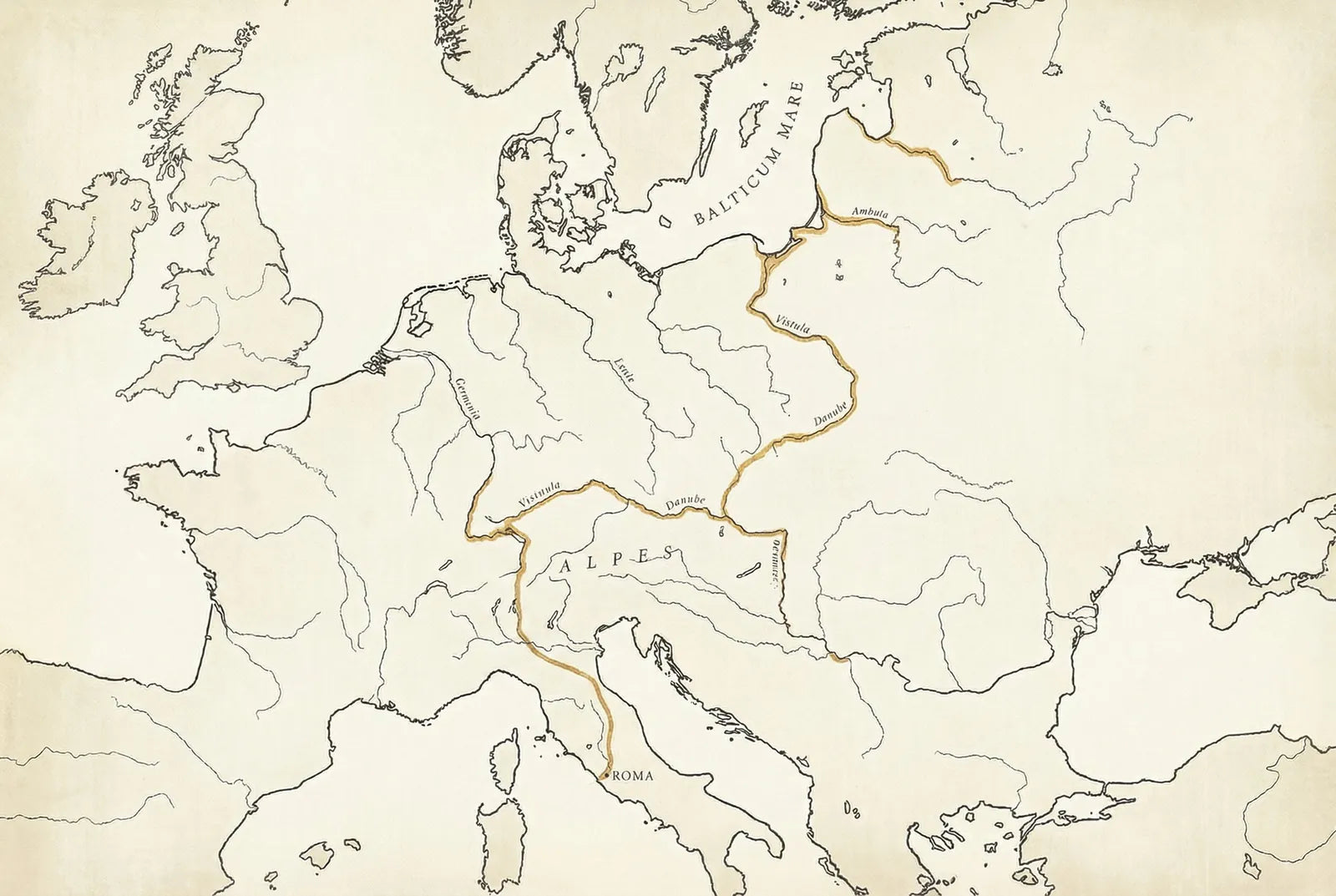
The Amber Road
Traded from Baltic shores to Rome and beyond.
For centuries, amber travelled established trade routes from the Baltic to Rome and beyond. Valued for its rarity and character, it became a currency of exchange across empires.
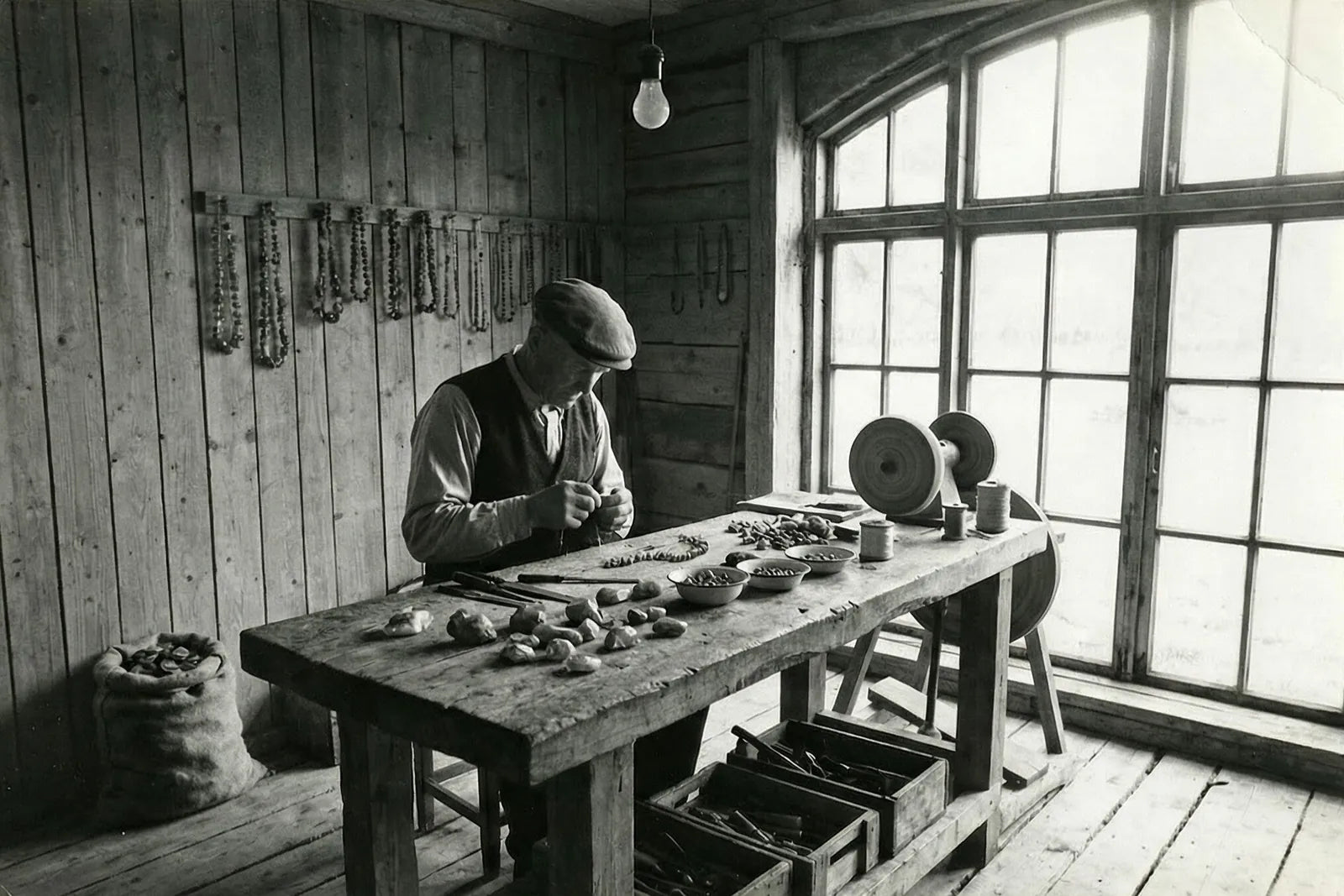
Craftsmanship traditions
Used in jewellery, amulets, and art.
Amber was shaped into functional objects — tools, amulets, and ornaments. Techniques developed over centuries still inform how the material is worked today.
Kalvė today
Amber reimagined through modern minimal design.
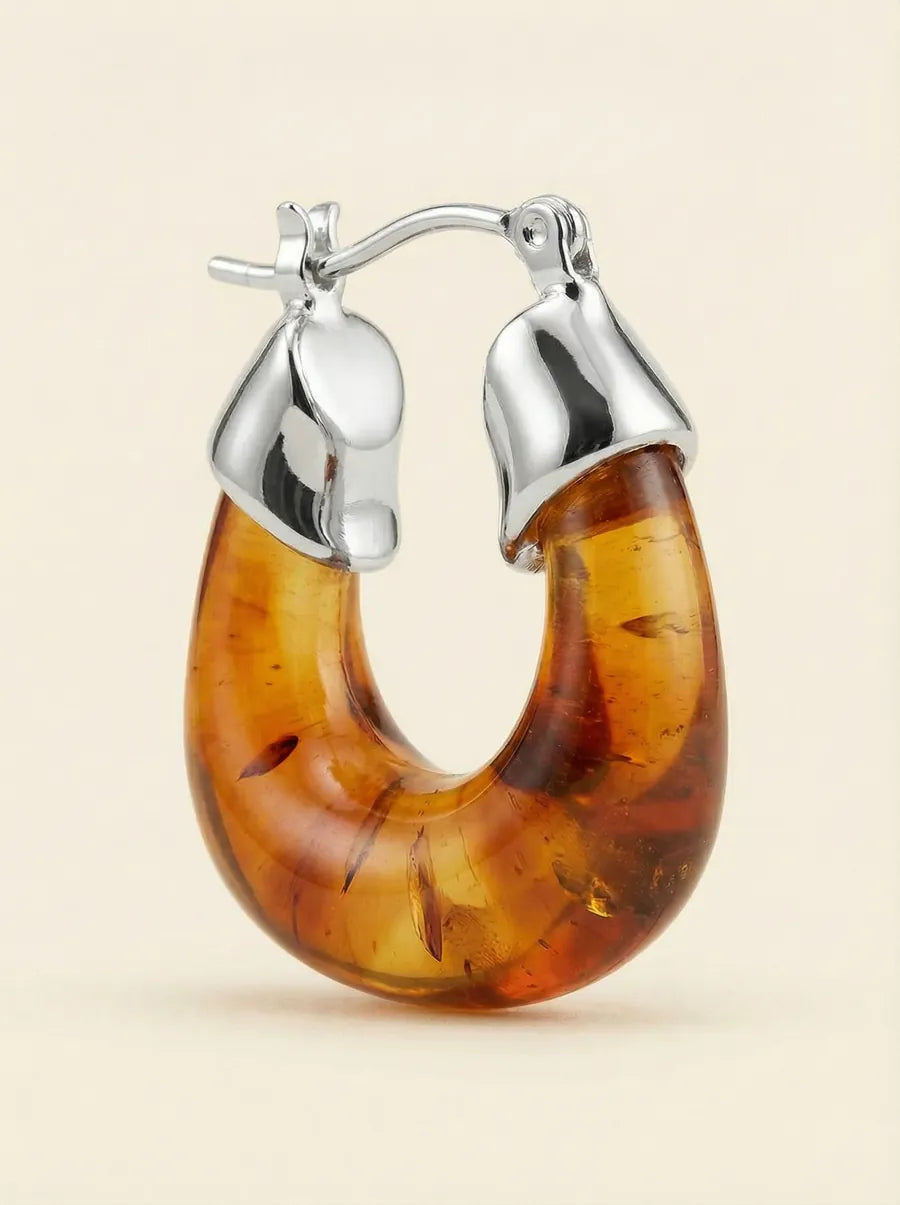
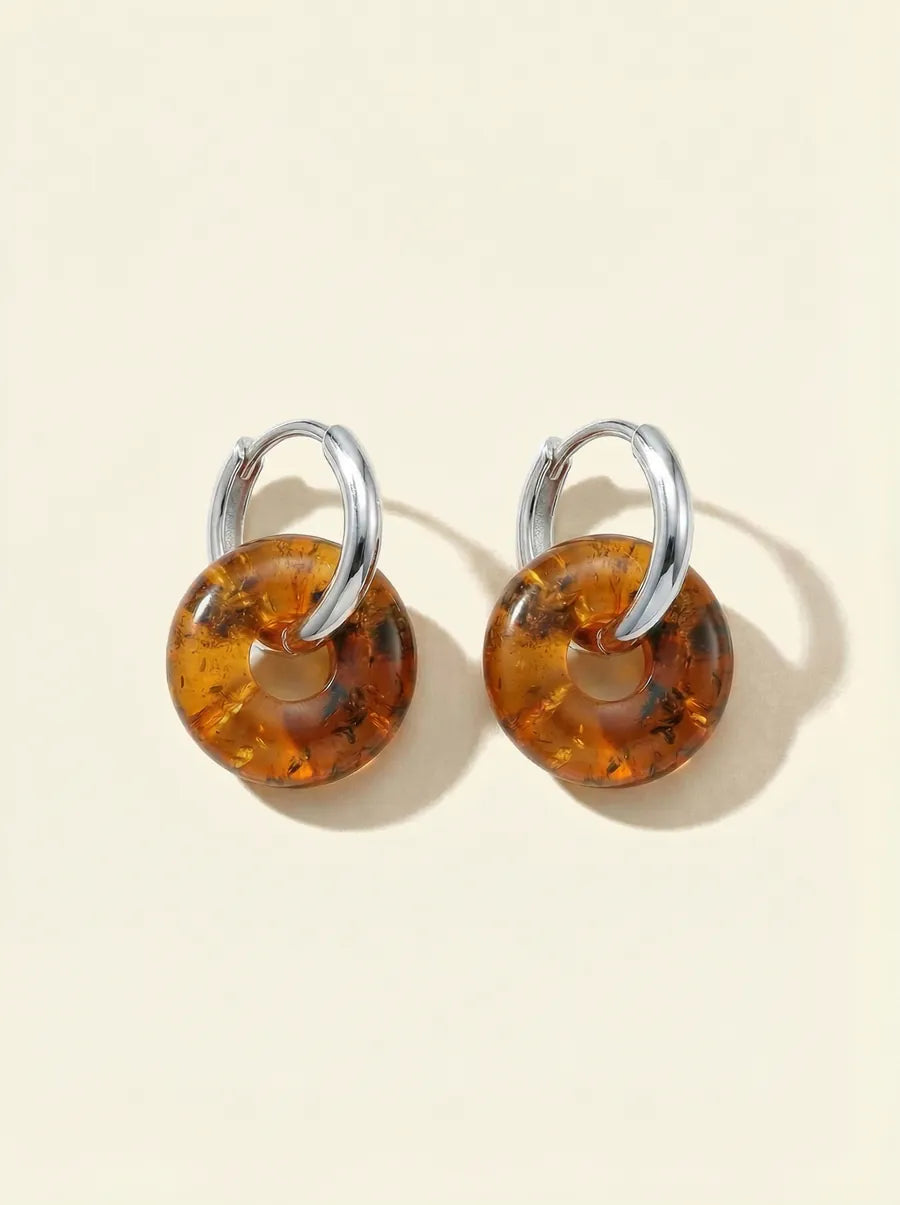
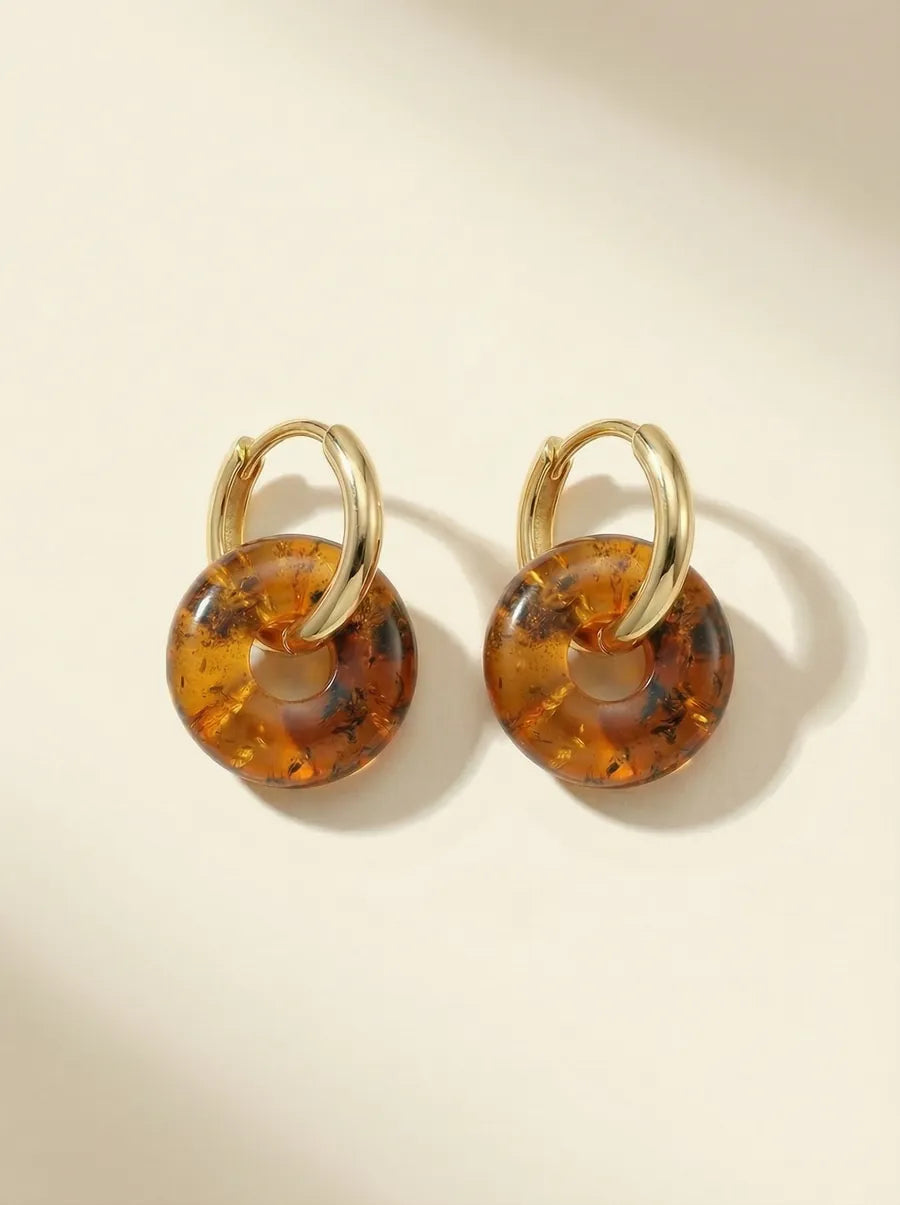
We shape amber with precision and restraint. The material's density and texture define the form. Each piece is refined through multiple stages until complete.
Amber Characteristics
Material qualities based on geological formation and historical observation.
Natural Warmth
A material that holds heat.
Organic Origin
Ancient fossilized resin.
Light Weight
Lighter than stone.
Durable
Holds form under wear.
Individual Character
No two pieces are identical.
Working with Amber.
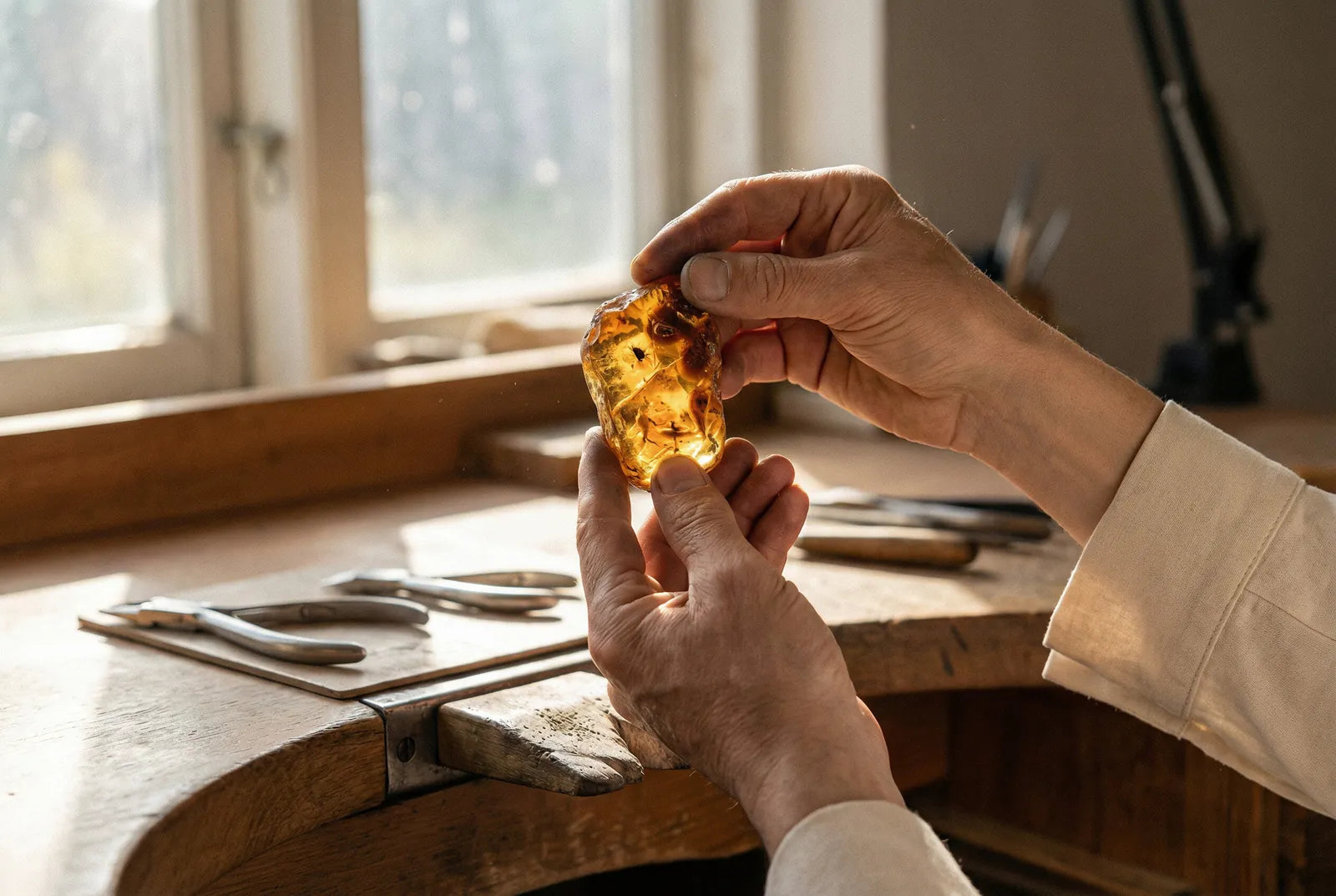
We source Baltic amber directly from verified suppliers in Lithuania. Each piece is inspected for authenticity and structural integrity before work begins.
Amber is worked in small batches through multiple stages: initial cutting to assess the material, refining based on density and inclusions, hand-polishing for depth. Internal structure, color variation, and natural flaws determine the final piece.
Some amber is nearly transparent, others cloudy or contain organic matter trapped millions of years ago. No two are identical because the material itself isn't uniform.
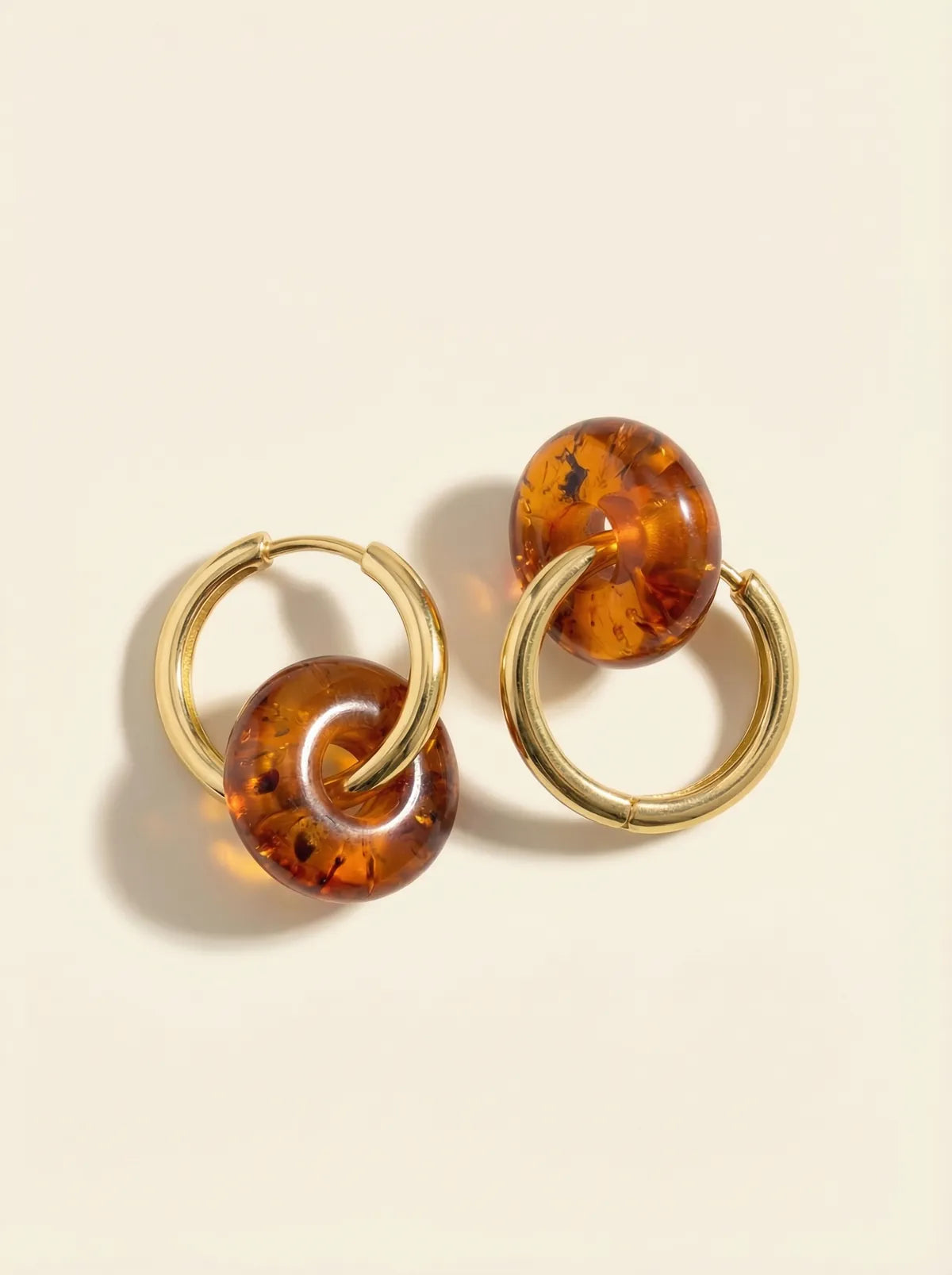
14K gold-plated sterling silver is finished separately and paired based on weight and balance. Every setting is secured for daily wear. The result is jewellery built from material honesty: what you see is what amber and metal allow, refined until complete.
